
Beware: These Weeds Can Be Killers
Dr. Char Arendas, DVM
Reprinted with permission from the GALA Newsletter, February, 2023
There’s plenty of nutritious plants and grasses out in your llama pastures. Most llamas will avoid nibbling on “other” plants that don’t taste as good. However, we need to keep an eye out for some common pasture inhabitants that can spell trouble. This is no trick or treat…sometimes deadly are the things you eat!
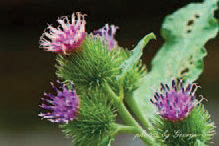
Cocklebur
We already despise this plant because of the burrs getting stuck in our llamas’ fiber. But did you know it is poisonous too? The cocklebur prefers wet areas and poor soil. The plant is poisonous in the early spring as a seedling, but the burrs can also be toxic if ingested
(OUCH!). Symptoms include abdominal pain, liver necrosis, hypoglycemia, incoordination, inability to stand, and convulsions.
This can occur within several hours to two days after ingestion. It’s likely you’ve seen Cocklebur before – it grows large round burrs and produces a purple flower.
Milkweed
Although all milkweeds can cause issues, the narrow-leafed milkweeds are the most toxic. Butterfly Milkweed is likely the worst culprit, which has a group of orange flowers at the top of the plant. However, all milkweeds can have varying degrees of toxicity. It is most
poisonous in spring, while the plant is rapidly growing. However, it retains the toxins when dried in hay! It causes symptoms 1-2 days after ingestion. Symptoms include muscle spasms, bloating, irregular heartbeat, weak breathing, fever, coma, and death.
Milkweed stems and leaves ooze a milky white sap when cut. Livestock will generally avoid the weed if good pasture is available to graze.
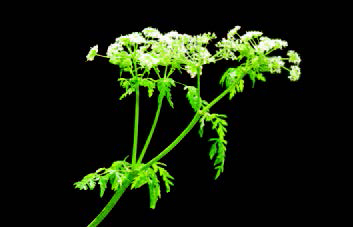
Poison Hemlock And Water Hemlock
Resembling the white Queen Anne’s Lace flower, Poison Hemlock is nothing to mess around with. This weed can get BIG – up to 6 feet tall! It likes to live in wet areas and smells like parsnips or parsley when crushed. The stems of hemlock tend to be mottled with purple splotches. Water hemlock roots can even poison drinking water if enough plants are situated around a puddle where animals drink! Hemlocks can cause salivation, loss of appetite, bloat, weak pulse, paralysis, birth defects, and death. Symptoms occur minutes to hours after ingestion, and death can occur rapidly or up to 8 hours after ingestion. They remain toxic when dried in hay.
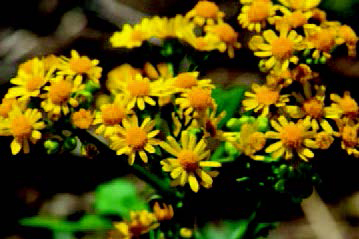
Cressleaf Groundsel (Tansy Ragwort/Butterweed)
Although small ruminants tend to be less susceptible to death by this weed, it can still cause problems. This weed tends to produce yellow daisy-like flowers in the springtime. You may notice it more so on fields where crops have grown but gone bare in the fall, as the weed tends to seed in the fall without competition. This weed causes severe gastrointestinal upset including diarrhea, weight loss, anemia, and liver disease that can even cause severe sun sensitivity and neurologic behavior. Groundsel causes problems when it is ingested on a regular basis over time, as the toxins accumulate in the body. A single exposure is unlikely to cause concern. It remains toxic when dried in hay.
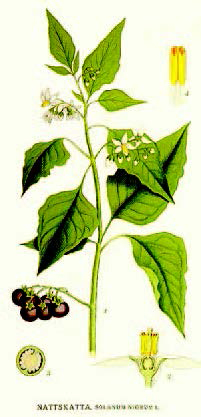
Black Nightshade
Whoever named this plant even gave it a spooky name, so no wonder it’s so toxic! Nightshade plants have broad egg-shaped leaves and produce tiny white flowers. They grow green berries that turn black when ripe. It is most toxic in summer and fall, but unripe green berries are the most toxic part of the plant. Symptoms will occur within several hours but up to two days after ingestion and can include salivation, diarrhea, colic, muscle tremors, dilated pupils, slow heart rate, labored breathing, incoordination, coma, and death. Berry scary!
© Spring 2023 RMLA Journal

Like this article? Become a RMLA Member today!

